

The Gospel: Mark 12:28-34
²⁸ One of the scribes, when he came forward and heard them disputing and saw how well he had answered them, asked him, "Which is the first of all the commandments?" ²⁹ Jesus replied, "The first is this: 'Hear, O Israel! The Lord our God is Lord alone! ³⁰ You shall love the Lord your God with all your heart, with all your soul, with all your mind, and with all your strength.' ³¹ The second is this: 'You shall love your neighbor as yourself.' There is no other commandment greater than these." ³² The scribe said to him, "Well said, teacher. You are right in saying, 'He is One and there is no other than he.' ³³ And 'to love him with all your heart, with all your understanding, with all your strength, and to love your neighbor as yourself' is worth more than all burnt offerings and sacrifices." ³⁴ And when Jesus saw that he answered with understanding, he said to him, "You are not far from the kingdom of God." And no one dared to ask him any more questions.
Today’s Focus
A sincere scribe asks about the greatest commandment and Jesus pairs the Shema with Leviticus 19:18, the scribe responds with genuine theological insight that love exceeds all sacrifice, and Jesus tells him he is not far from the kingdom for understanding what the whole system was always pointing toward.
In the Margins
This scribe is different from the questioners who have come before him. Mark specifies that he has been listening to the previous exchanges and noticed that Jesus answered well. He is not setting a trap. He is asking a question the rabbinic tradition had been wrestling with seriously: which commandment is the first of all?
The question was not merely academic. The rabbis counted 613 commandments in the Torah, 248 positive and 365 negative, meaning to do 248 things and to not do 365 things. The debate about which commandment held the others together, which principle animated the whole, was serious theological work. Finding the organizing center of the law was the project of the greatest teachers of the tradition. The scribe is asking Jesus to locate Himself within that conversation.
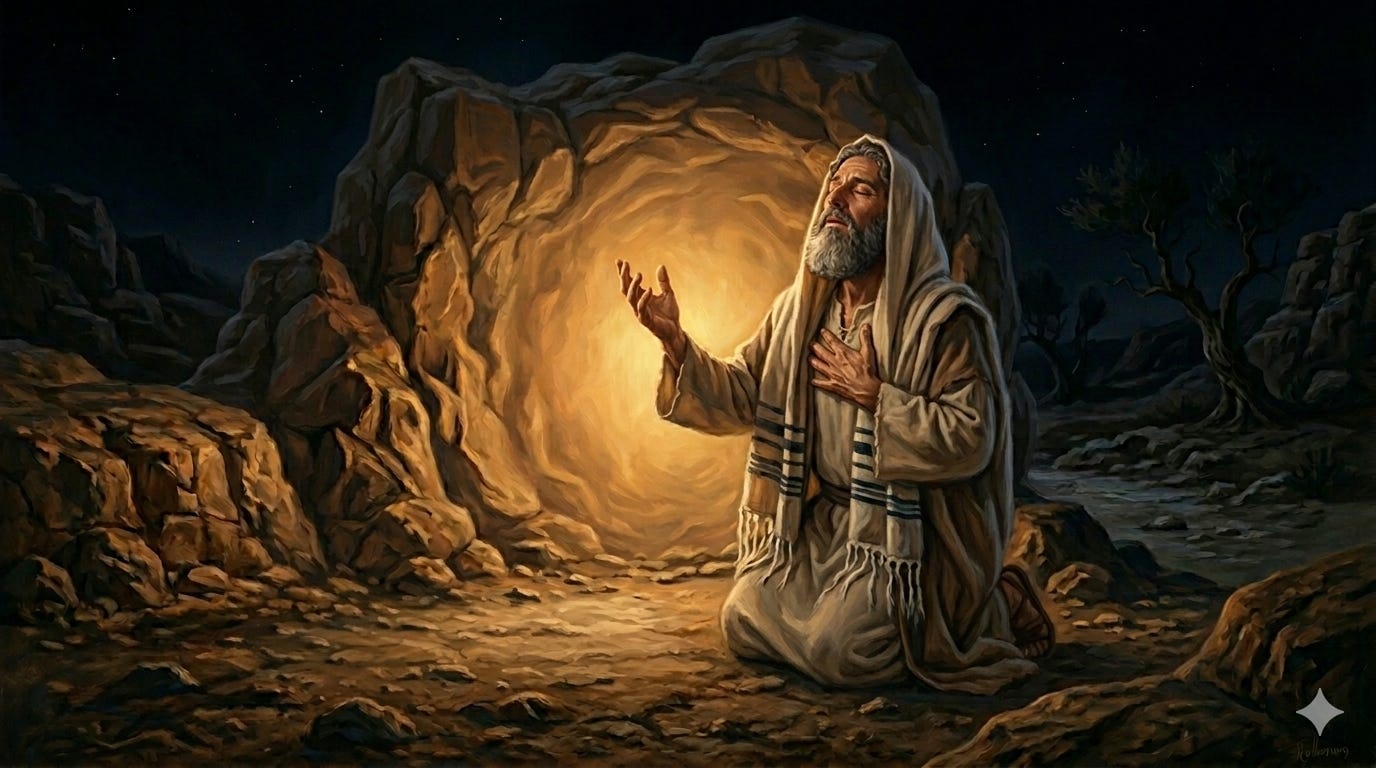
Jesus answers with the Shema. Deuteronomy 6:4-5, the foundational confession of Jewish faith recited every morning and evening by observant Jews. Hear, O Israel, the Lord our God, the Lord is one. You shall love the Lord your God with all your heart, with all your soul, with all your mind, and with all your strength. This is the prayer Israel prayed twice daily. It was written on doorposts and worn on the body. It was the confession whispered at death. To name it as the first commandment was not surprising. What follows is.
Without being asked, Jesus adds a second. Leviticus 19:18. You shall love your neighbor as yourself. And then He places both in explicit relationship, declaring there is no commandment greater than these two together. He is not simply listing the top two items on a hierarchy. He is identifying the animating center from which everything else derives its meaning and toward which all of it points.
The scribe responds with genuine understanding. He repeats the answer back and adds his own insight: loving God and neighbor is worth more than all burnt offerings and sacrifices. This is a significant theological move. The entire Temple system, the sacrifices and offerings that dominated Jewish religious life and that the Temple establishment had been defending against Jesus all week, is placed subordinate to love. Ritual derives its meaning from love. Without love, ritual is performance.
Jesus tells him he is not far from the kingdom of God. Not because he has arrived, but because he has grasped the principle that makes arrival possible.
The danger this passage addresses is not irreligion but religion that has become untethered from its animating center. It is entirely possible to maintain the full apparatus of religious practice while the love that was meant to animate it quietly disappears. Jesus is not reducing the 613 commandments to two. He is naming the heart from which all of them draw their meaning, or should.
Reflection Question
Which of your current religious practices has become most detached from love of God and love of neighbor, and what would it mean to reconnect it to the center Jesus identifies?