

Today’s Takeaway
The Kingdom of heaven arrives quietly but decisively: through repentance, proclamation, and healing, Jesus reveals that God’s saving work has begun in earnest.
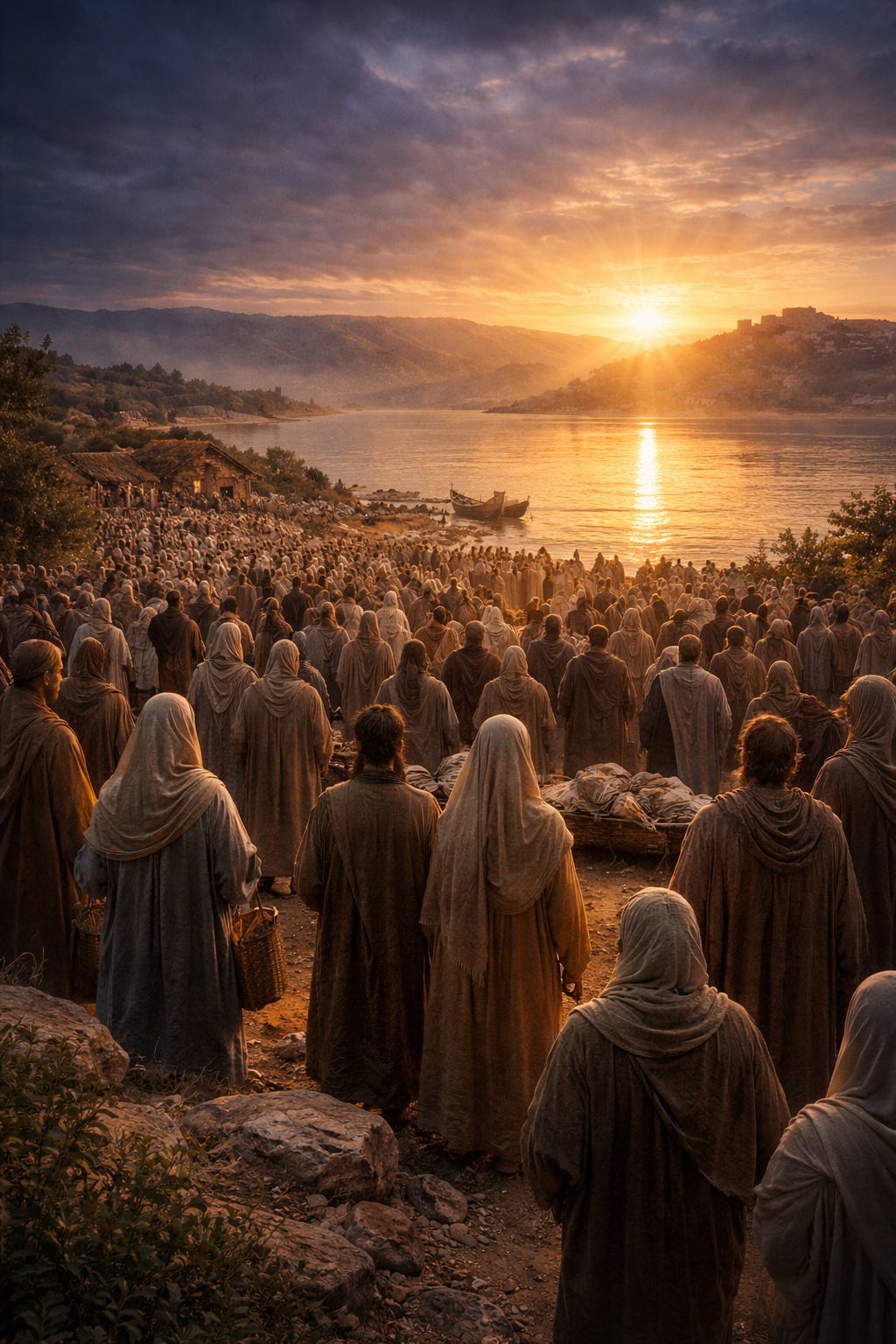
The Gospel
When Jesus heard that John had been arrested,
he withdrew to Galilee.
He left Nazareth and went to live in Capernaum by the sea,
in the region of Zebulun and Naphtali,
that what had been said through Isaiah the prophet
might be fulfilled:
Land of Zebulun and land of Naphtali,
the way to the sea, beyond the Jordan,
Galilee of the Gentiles,
the people who sit in darkness
have seen a great light,
on those dwelling in a land overshadowed by death
light has arisen.
From that time on, Jesus began to preach and say,
“Repent, for the Kingdom of heaven is at hand.”
He went around all of Galilee,
teaching in their synagogues, proclaiming the Gospel of the Kingdom,
and curing every disease and illness among the people.
His fame spread to all of Syria,
and they brought to him all who were sick with various diseases
and racked with pain,
those who were possessed, lunatics, and paralytics,
and he cured them.
And great crowds from Galilee, the Decapolis, Jerusalem, and Judea,
and from beyond the Jordan followed him.
Reflection
We hear that John is arrested by the regional ruler of Galilee and Perea, Herod Antipas. This is different than Herod the Great who died decades before and paved the way for Jesus to return from Egypt. The arrest is explained later, but John spoke out about Herod marrying his (Herod’s) brother’s wife. Jesus was likely in Nazareth when this happened, or nearby. The arrest was likely the trigger for Jesus to start his public ministry, it was mission-driven in nature. Matthew quotes the Book of Isaiah 9:1–2. Originally, Isaiah was addressing people who were crushed by Assyrian domination. This presents Jesus as embodying God’s promised light.
The areas of Jesus’ early ministry was over 7,000 square miles of territory in a time when the primary mode of travel was walking! No one was just dropping by, these were intentional trips when you consider people could probably make 15-20 miles per day in good conditions. People were making trips that took several days to weeks, crossing uneven and unsafe conditions, and venturing across political, cultural, and linguistic boundaries. It would have been rather notable to say the least.
Galilee was religiously mixed and a lot of people from Judea looked down upon the region. We hear that Jesus went into the synagogues of the Jews and preached. When we hear of the great crowds that came together, this is covering most of Roman Palestine and adjacent Gentile territory at the time.
.
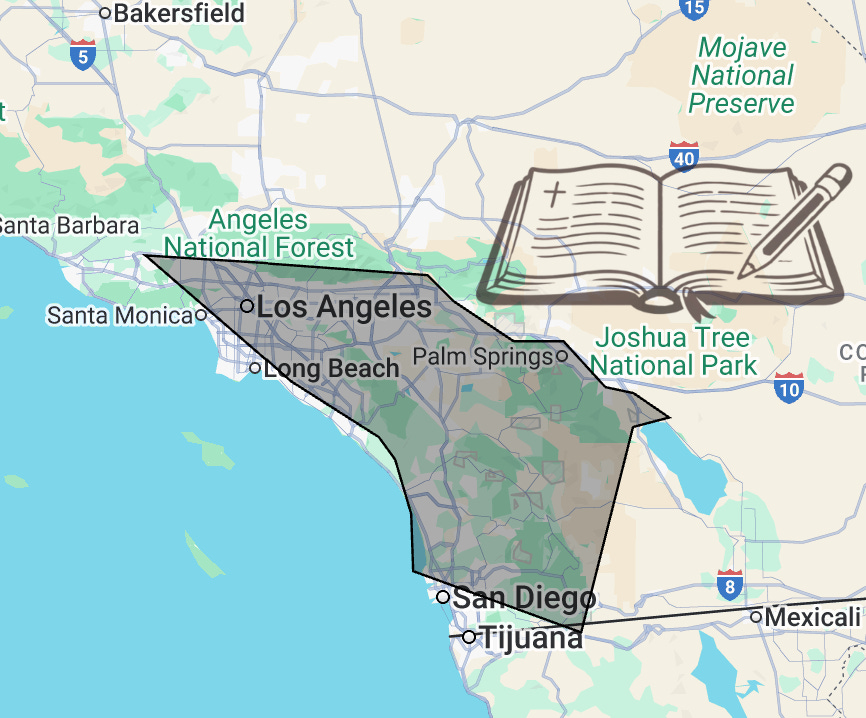
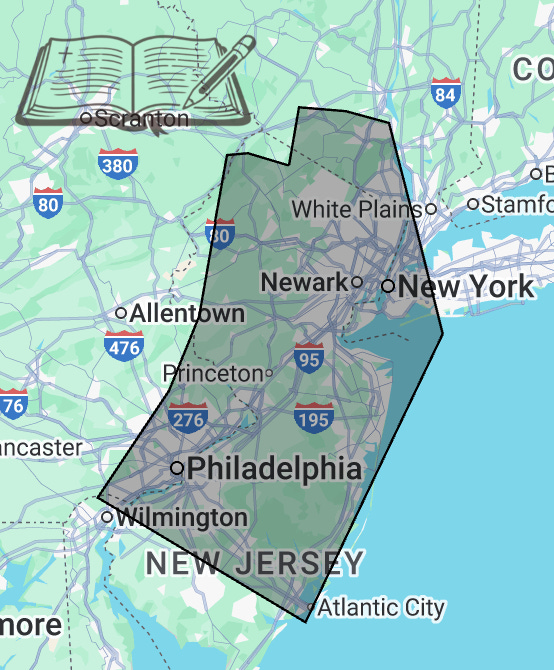
I believe that this shows Jesus intended the message to break cultural, ethnic, and religious boundaries. Remember too that Jesus does not yet have all 12 disciples. What this really tells us is that God’s Kingdom is not confined to one place, and Jesus was not viewed as a “local curiosity.” This was a significant event that was drawing attention from early on. All for a message that we hear is “repent, for the Kingdom of heaven is at hand.”
This message itself is significant. Many Jews lived believing Israel was still waiting for God’s divine intervention. They were dominated by a foreign invader (the Romans). What Jesus is really saying is that God’s long-awaited movement is here! When we hear this, it is easy to think that it is some “end-times” prophecy. We have all seen the guy on the corner with the sign “repent – the end is near!” That is NOT what Jesus is doing. Instead, the way it is used, would have meant God’s reign was at hand. The use of “Kingdom of Heaven” is a reverent Jewish way to speak of God without the overuse of his divine name.
This phrasing would have been politically dangerous, even if Jesus is a pacifist. He was preaching a message that would be alarming to authorities within the Temple system, as well as potentially concerning to Rome. When this is combined with what we know about how big his ministry was growing, we can see that from early on he was challenging the religious understandings and doing it from within! At the synagogue, he was openly challenging the idea that people needed to continue to turn back towards God, implying they were facing away from him.
If Jesus were to come to our homes or cities today, I often wonder what that reception would be like. When we look at this verse we hear that people were being inspired by the word of repentance. How hard is it to hear that you are doing things wrong? I find it hard, and I know that I am not perfect by any stretch! Yet, here we have Jesus spreading the word that the way people are living requires them to turn back to God – for God has come. It is a hard message to hear, and I think we lose that sometimes. Jesus was not preaching the “easy stuff’ – in fact, a lot of what he was telling people would have been hard to hear, yet they gathered to him like sheep around a shepherd.
Reflection Question
Where might Christ be calling you to “repent”—not simply to turn from sin, but to turn fully toward the life of the Kingdom already at work around you?