

The Gospel
Jesus went out along the sea.
All the crowd came to him and he taught them.
As he passed by, he saw Levi, son of Alphaeus,
sitting at the customs post.
Jesus said to him, “Follow me.”
And he got up and followed Jesus.
While he was at table in his house,
many tax collectors and sinners sat with Jesus and his disciples;
for there were many who followed him.
Some scribes who were Pharisees saw that Jesus was eating with sinners
and tax collectors and said to his disciples,
“Why does he eat with tax collectors and sinners?”
Jesus heard this and said to them,
“Those who are well do not need a physician, but the sick do.
I did not come to call the righteous but sinners.”
Today’s Focus
This passage reveals Jesus as the divine physician whose mission intentionally moves toward those considered morally and ritually compromised, exposing the limits of a righteousness defined by separation rather than restoration.
In the Margins
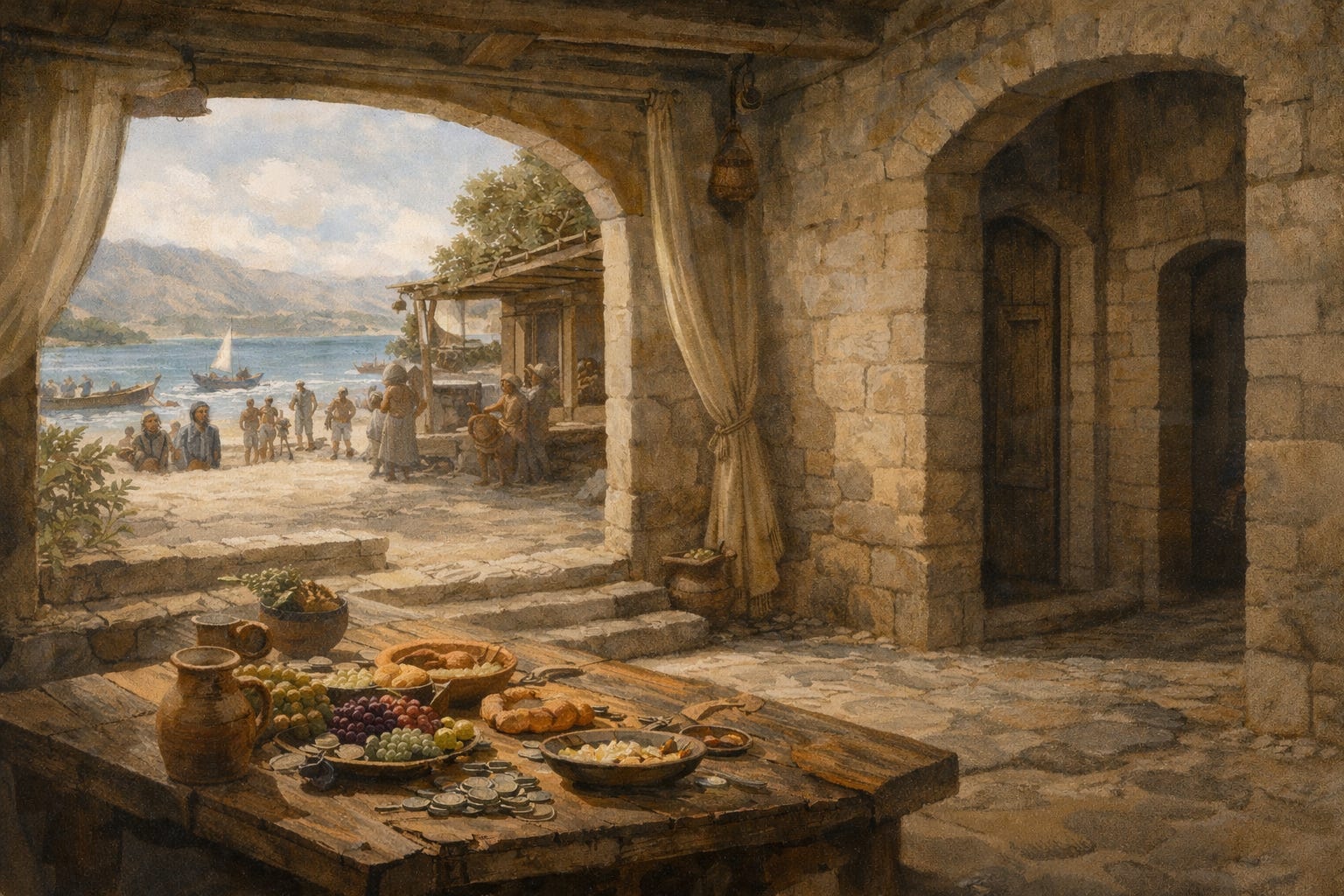
This setting, Jesus teaching by the sea, is one that recurs frequently. It was not in the synagogues like we have seen but was also not out in the wilderness. The sea would have been accessible by many and allowed for his message to be delivered to those trading, traveling, and even Gentiles. This is showing Jesus’ ministry unfolding at the edges of geographic, social, and religious boundaries.
Tax collectors at the time were not viewed well at all. Even today, not many people like the IRS or enjoy tax season, but in these times, it was seen as a bigger act of betrayal. They were Jews that were actively working for the Roman occupation. They were known for overcharging and were considered ritually suspect due to contact with all the Gentiles. This went beyond ethics, it was seen as a traitor to the people of Israel.
The reason we know Levi was a tax collector is the use of the term, “customs post.” This was a tax station. The tax collectors overcharged at these stations because any amount they could collect over the required was pure profit for them. This person that was living in sin per Jewish view was called, he stood up and followed, without hesitation.
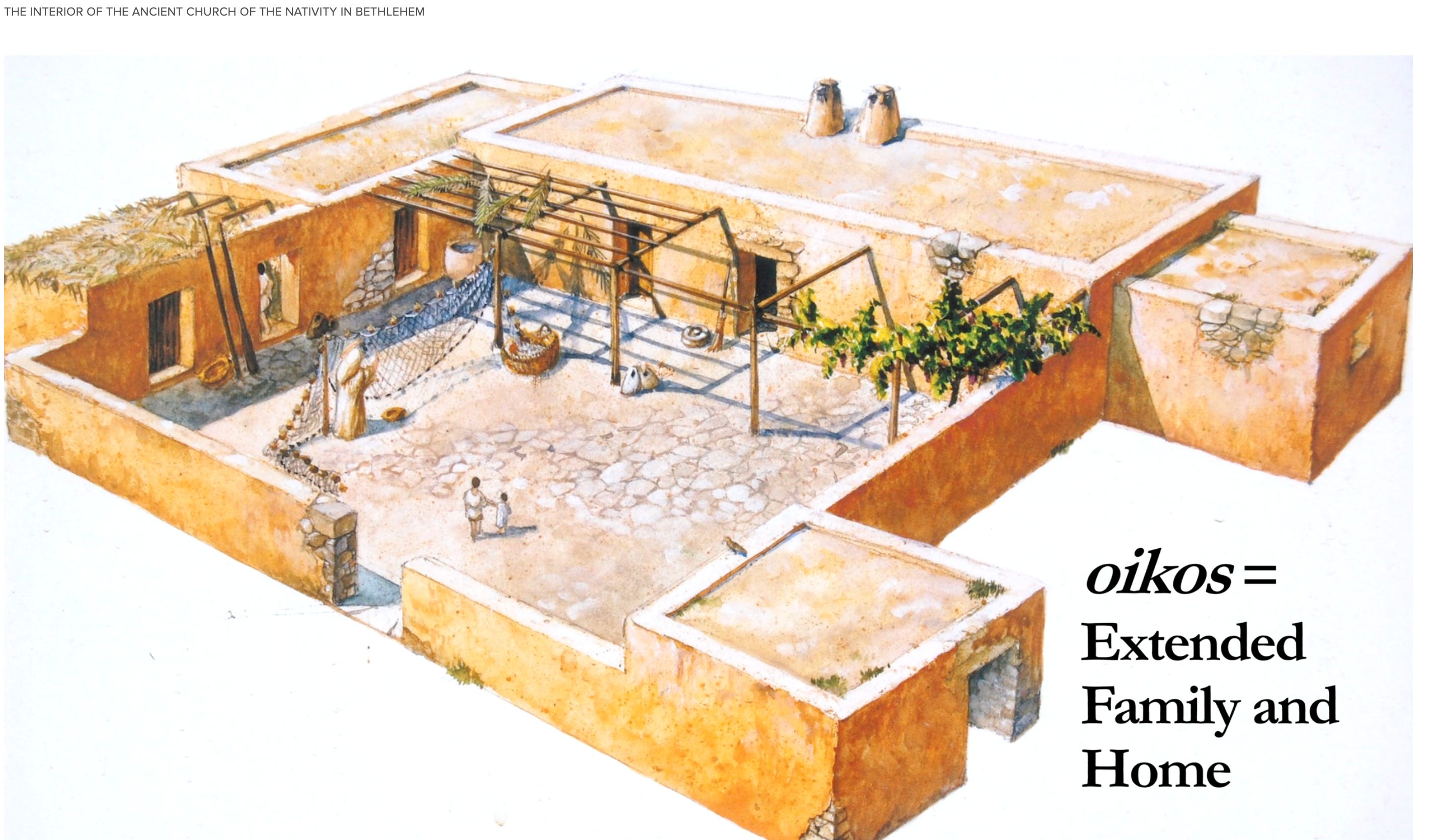
In the first century, meals were not private affairs in the way we think of them today. Levi’s house would have been open to the street or a shared courtyard, making it easy for passersby to see who was present. Eating together signaled acceptance and fellowship, so Jesus reclining at table with tax collectors was a visible, public act. The scribes and Pharisees likely remained outside, watching and commenting to the disciples rather than entering themselves, since stepping inside would have implicated them in the same association. With open doors and courtyards, their objection would have been easily heard by Jesus, who responds publicly because the meaning of the meal itself. Who He said belongs and how God restores was being debated in plain sight.
In Israel’s history, religion was not spread outward in the way we think of evangelization today because it was rooted in covenant identity rather than expansion. Israel understood itself as a people set apart to safeguard God’s presence in the world, especially after exile and foreign domination had shown how easily that identity could be lost. Holiness was preserved through boundaries such as dietary laws, ritual purity, and restricted table fellowship, not out of contempt for outsiders, but to protect the covenant from being diluted or absorbed by surrounding cultures. The Law regulated access to worship because God’s presence was understood as powerful and dangerous if approached casually. The expectation was not that Israel would go out to the nations, but that the nations would one day come to Israel when God’s holiness was clearly visible there.
This is why Jesus was breaking so many norms. Instead of waiting for the rest of the world to come to Him, He was actively taking the good news to them. He was changing everything! It is a foundation for what evangelism looks like today. Jesus was setting the standard that God was there to heal others, something that is easy to forget today. People are confused at times when they enter a Church expecting to find the Holiest of people. The Church is a spiritual hospital. Sure, some Holy people (doctors) exist, but there are people of all sorts coming to be healed. When you enter an emergency room, you do not expect to see more healthy people than sick. God is here to heal, not just live amongst the healed. The fact is that we could all be spiritually healthier.
Reflection Question
Where in my life can I follow Jesus more closely, giving up what may be drawing me away from Him to live a life closer to His design?